Pizza Oven for Restaurants in Thailand: How to Choose the Right One
Every week we get the same message from restaurant owners in Bangkok, Phuket and Chiang Mai: «We want to put pizza on the menu. Which oven should we buy?»
The honest answer is that it depends on one number — how many pizzas you need to send out in your busiest hour. Get that number right and the choice makes itself. Get it wrong and you either burn 300,000 ฿ on an oven you don’t need, or you buy something that dies in service.
First, the number that decides everything
Write down your worst-case hour. Not the average — the Saturday night, the wedding, the full terrace.
| Pizzas per hour | What you need |
|---|---|
| Up to 25 | One compact 500°C oven |
| 25 – 50 | Two compact ovens side by side |
| 50 – 75 | Three ovens, or a professional deck |
| 75+ | Conveyor or rotating deck |
Notice what is missing from that table: the assumption that a compact oven is only for home use. That assumption comes from a world where you are also making the dough. We will come back to this, because it is the part that changes the maths completely.
Second, the temperature — this is where most kitchens go wrong
A Neapolitan pizza is baked at 450–500°C for 60 to 90 seconds. That is not a stylistic preference, it is the definition. The violent heat puffs the cornicione, blisters the edge and cooks the base before the toppings dry out.
Your combi oven does 250°C. Your convection oven does 250°C. At that temperature you are not baking a Neapolitan pizza slowly — you are baking something else: drier, flatter, closer to a cracker. Perfectly edible, just not what the customer saw on Instagram.
So the first question is not the brand. It is: does this oven reach 500°C, and can it hold it between one pizza and the next?
Gas, wood or electric, in a Thai kitchen
Gas is what we recommend for most venues here. It reaches temperature in minutes, holds it without attention, and there is no fire to build, no wood to store in the humidity, no ash, no smoke complaints from the condo upstairs. One knob.
Wood gives you the theatre and, for purists, a flavour note. It also gives you a person whose job is the fire, dry wood storage in a climate that fights you on that, and a smoke management problem that many Bangkok locations simply cannot solve.
Electric decks are excellent and stable, but the good ones need three-phase power and a serious budget, and they are not portable.
What we sell, and what we don’t pretend it is
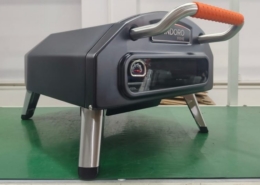
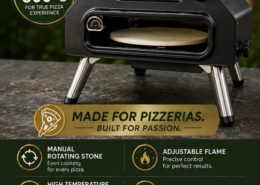
Our Gas Pizza Oven reaches 500°C, fits pizzas up to 14 inches, has a rotating stone you turn from outside during the bake, an adjustable flame, automatic ignition, a thermometer on the door — and, unlike most portable ovens, a door at all. It weighs 19 kg and folds onto four legs.
That door is not a detail. Most compact pizza ovens are open-mouthed: at 500°C the opening is a permanent hole, heat leaves continuously, and the burner spends the whole service replacing it. With a door the burner only has to hold the temperature — less gas for the same pizzas, and a stone that recovers faster between one bake and the next, so the fifth pizza comes out like the first.
It is the right tool for:
- adding pizza to an existing menu without rebuilding the kitchen
- pool, terrace and rooftop service
- catering, events, food trucks
- a bar or café with a short pizza list
- tastings and staff training
Two small ovens beat one big one
Here is where most advice about pizza ovens is out of date, because it assumes you are making dough from scratch.
With a par-baked base, one bake is 90 seconds plus about 20 seconds to launch, turn and pull. That is under a two-minute cycle — call it 25 pizzas an hour per oven in real service, around 20 when the kitchen is under pressure. There is no dough to stretch, no proofing to watch, no pizzaiolo standing between the order and the oven.
The rotating stone: where the seconds and the skill disappear
In a normal oven, evening out the bake means going in with a peel: open the door, slide the peel under, lift, turn, set it down, come out. Twelve seconds if you are good at it, twice per pizza, and the door is open every time — so heat escapes and the next pizza starts colder.
It also takes a hand. Turning a 90-second pizza with a peel is exactly where an inexperienced cook tears it, folds it, or drops the toppings.
Our stone turns from outside. You turn a knob, the pizza turns with it, the door stays shut. Two seconds instead of twelve, twice per bake:
| Turning with a peel | Turning the stone | |
|---|---|---|
| Time per pizza | ~24 s | ~4 s |
| Door | open twice | closed |
| Skill required | real | none |
| Risk of ruining the pizza | yes | no |
Twenty seconds saved on every pizza is roughly four extra pizzas an hour, per oven. But the bigger gain is the one you cannot put in a table: anyone on your staff can bake a perfect pizza on their first day. No peel technique, no pizzaiolo, no training week. Load, turn the knob twice, pull it out.
That is what makes the two-minute cycle hold in a real kitchen instead of only on paper.
Now add a second oven. They are under 70 cm wide and weigh 19 kg, so two sit side by side in about 1.4 metres of bench, and one person works both — load the first, turn to the second, come back. The numbers scale almost linearly:
| Ovens | Bench space | Pizzas/hour (real) | Cost |
|---|---|---|---|
| 1 | ~0.7 m | ~25 | 14,800 ฿ |
| 2 | ~1.4 m | ~50 | 29,600 ฿ |
| 3 | ~2.1 m | ~75 | 44,400 ฿ |
Compare that with a professional deck oven: 200,000 to 500,000 ฿, plus installation, plus three-phase power, plus a fixed position in the kitchen for the next ten years.
And compare it with the other compact ovens on the market. Ours is 14,800 ฿ — well below what an oven of this class normally costs, and it comes with a front door and a rotating stone, which most of them do not have at any price.
That matters twice over when you scale:
| Cost | Pizzas/hour | |
|---|---|---|
| 1 oven | 14,800 ฿ | ~25 |
| 2 ovens | 29,600 ฿ | ~50 |
| 3 ovens | 44,400 ฿ | ~75 |
Three of ours still cost less than a fraction of a professional deck — and you can buy them one at a time, as the menu grows.
Three of our ovens cover about 75 pizzas an hour for under a quarter of the price of one deck oven — and if the pizza project does not work out, you have three portable ovens you can move, resell or use for events, instead of a hole in the wall.
There are honest limits. One person realistically works two ovens, three if the line is well organised — beyond that you are adding staff, not just ovens. Each oven needs its own gas connection. And a deck oven still holds heat better across a four-hour service without pause.
But the old rule that «a compact oven is for home, a deck oven is for business» was written for kitchens making their own dough. Take the dough out of the equation and the rule stops applying.
And then there is the dough
An oven that hits 500°C is only half the job. Feed it a dough that was not built for that heat and you will scorch the top before the base is done.
This is where a restaurant kitchen usually gets stuck. Real Neapolitan dough means a flour specification, a fermentation schedule, a proofing area you probably do not have, and someone who knows by feel when it is ready. That is a pizzaiolo, and pizzaioli are hard to find and harder to keep.
Our pizza bases are made for exactly this: proofed, par-baked and specified to survive ninety seconds of direct stone contact at full heat. You take one from the freezer, dress it, launch it, and ninety seconds later you have a pizza with an airy rim and a base you can fold. No fermentation room. No pizzaiolo.
What it actually costs to start
The entry ticket is one oven, a gas bottle and your first case of bases. Compare that with a deck oven installation, three-phase electrical work, a dough room and a new hire, and the difference is not marginal: it is the difference between serving pizza this month and talking about it for another year.
And when the menu takes off, you do not replace anything. You add a second oven for 14,800 ฿ and double your output next week — no builder, no electrician, no downtime. That is the real advantage of a small footprint: you scale in steps you can afford, when the sales justify them, instead of betting half a million baht on a forecast.
What to put on the menu, and which base does it
The oven bakes anything you launch into it. What decides your menu is the base you choose,
and each one opens a different item.
| Menu item | Base | Why it works |
|---|---|---|
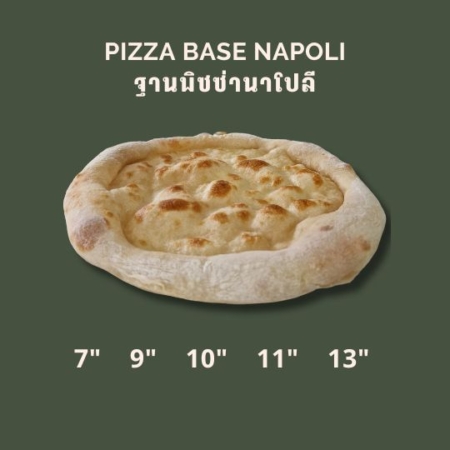
| Classic round pizza | Pizza Base Napoli | The Neapolitan rim, 10 and 11 inches. Your everyday seller. |
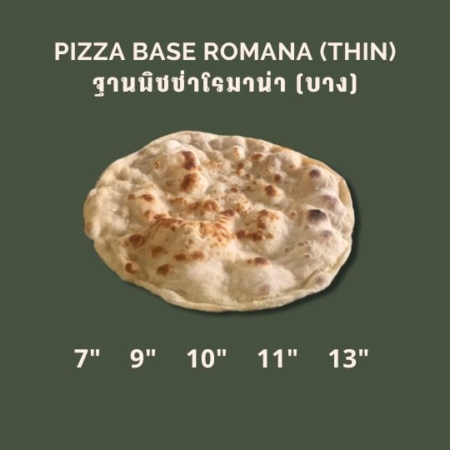
| Pizza by the slice | Pizza Base Romana | Thin and crisp, 7 inches — fast, cheap per portion, ideal for bars and counters. |
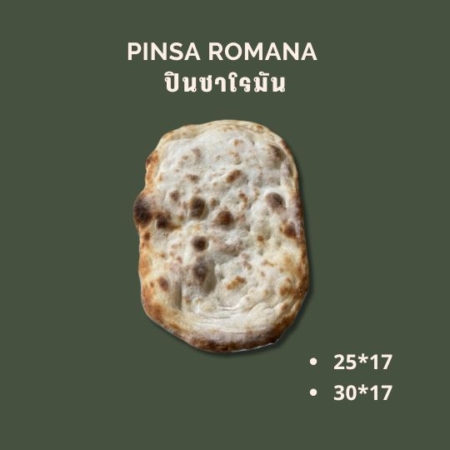
| The premium item | Pinsa Romana | Light, digestible, oval. Charges more than a pizza because it is not one. |
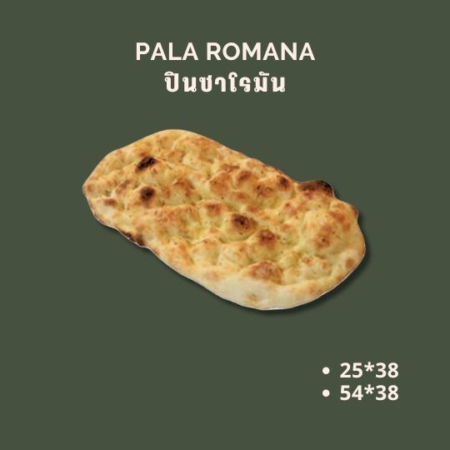
| Sharing and aperitivo | Pala Romana | Long format for the table, cut into strips. Excellent margin per board. |
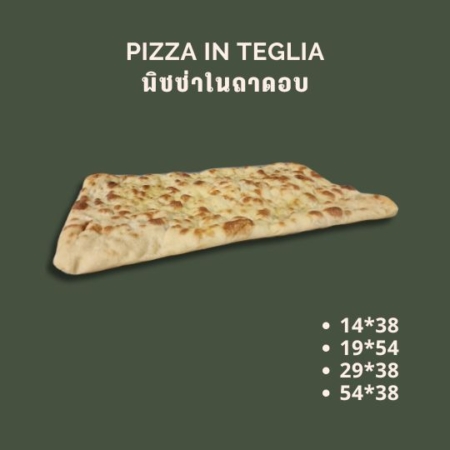
| Buffet and catering | Pizza in Teglia | Pan pizza that holds, travels and portions cleanly. |
| Breakfast and brunch | Focaccia | Sourdough, works hot or cold, sells all day. |
| Dessert | Pizza Base Chocolate | Ninety seconds in the same oven, a dessert nobody else on the street has. |
The point is not that you need all of them. It is that one oven and one supplier
cover your whole day — lunch slices, dinner pizzas, an aperitivo board and a dessert —
without a second piece of equipment or a second delivery.
If you also serve burgers or sandwiches, the same delivery brings
Burger Buns, Neapolitan Buns,
Ciabatta and Baguette.
Start small: the Combo Trial Box (550 ฿) or the
Napoli-Roma Trial Box (300 ฿) let you test the bases in
your own kitchen, with your own toppings, before you commit to anything.
The oven and the base are one product, not two
Everything above splits into two problems, and most suppliers only solve one of them.
The temperature problem is solved by an oven that reaches 500°C. Plenty of companies sell you that. What they cannot sell you is a dough that survives it.
The skill problem is solved by a base that is already fermented, proofed and par-baked. Plenty of bakeries sell you that. What they cannot sell you is the heat to bake it properly.
Buy only the oven and you are back to hiring a pizzaiolo. Buy only the base and you bake it at 250°C and wonder why it does not look like the photograph. Together they remove both barriers at once, and adding pizza to your menu stops being a project and becomes a purchase order.
What the numbers look like on your P&L
Our Napoli base, 10 inches, in a case of 20, works out at 50 ฿ per base. With toppings and gas you are around 90 ฿ of cost in a finished pizza.
| Menu price | Margin per pizza | Pizzas to repay the oven |
|---|---|---|
| 250 ฿ | 160 ฿ | ~92 |
| 300 ฿ | 210 ฿ | ~70 |
| 350 ฿ | 260 ฿ | ~57 |
At twenty pizzas a day, the oven has paid for itself inside a week. After that it is a 14,800 ฿ asset you already own, producing a high-margin item that most kitchens in Thailand cannot make at all.
That is the whole proposition, and it is not complicated: our base plus our oven is a pizza business you can start this month, in the space of a kitchen bench.
Talk to someone who does this every day
We supply pizza bases to restaurants, hotels and resorts across Thailand — Bangkok, Pattaya, Phuket, Chiang Mai, Hua Hin. We see what works in these kitchens and what quietly fails.
Tell us your busiest hour and what your kitchen looks like, and we will tell you honestly whether our oven is right for you — or whether you need something bigger.
- Сортировать по По умолчанию
- Показать 46 Товаров на странице
-
 Выберите параметры Этот товар имеет несколько вариаций. Опции можно выбрать на странице товара.
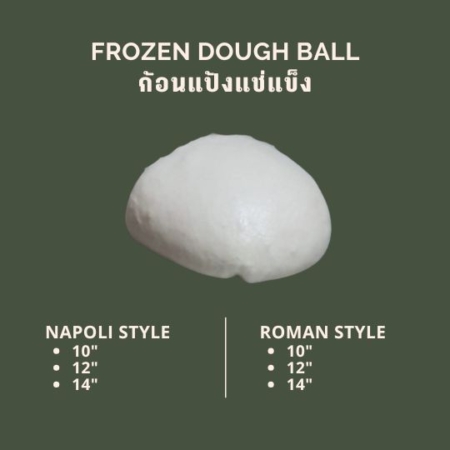
Шарики из теста
Диапазон цен: ฿580.00 – ฿8,250.00 + vat -
 Выберите параметры Этот товар имеет несколько вариаций. Опции можно выбрать на странице товара.
Основа для пиццы «Наполи»
Диапазон цен: ฿800.00 – ฿4,000.00 + vat -
 Выберите параметры Этот товар имеет несколько вариаций. Опции можно выбрать на странице товара.
Основа для пиццы «Романа»
Диапазон цен: ฿700.00 – ฿3,500.00 + vat -
 Выберите параметры Этот товар имеет несколько вариаций. Опции можно выбрать на странице товара.
Пинса Романа
Диапазон цен: ฿1,200.00 – ฿3,500.00 + vat -
 Выберите параметры Этот товар имеет несколько вариаций. Опции можно выбрать на странице товара.
Пала Романа
฿2,500.00 + vat -
 Выберите параметры Этот товар имеет несколько вариаций. Опции можно выбрать на странице товара.
Пицца в противне
Диапазон цен: ฿1,500.00 – ฿3,900.00 + vat -
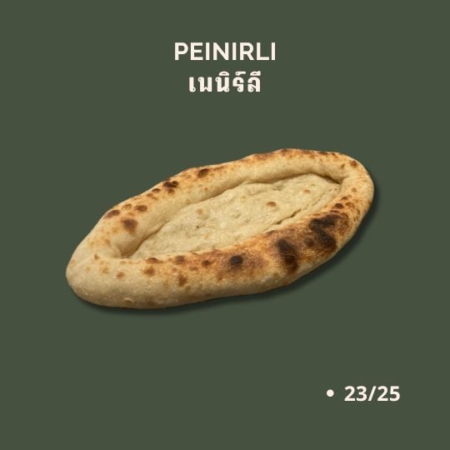 Выберите параметры Этот товар имеет несколько вариаций. Опции можно выбрать на странице товара.
Пейнирли
Диапазон цен: ฿1,000.00 – ฿2,500.00 + vat -
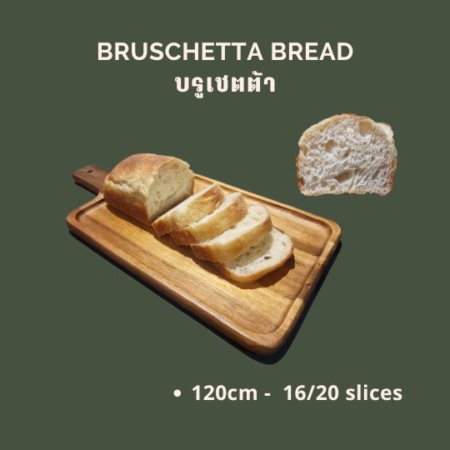 Выберите параметры Этот товар имеет несколько вариаций. Опции можно выбрать на странице товара.
Брускетта
Диапазон цен: ฿1,725.00 – ฿3,335.00 + vat -
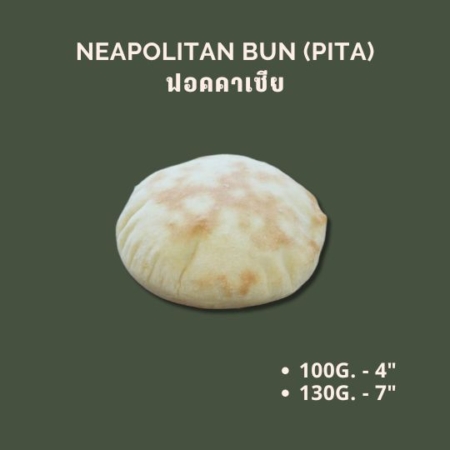 Выберите параметры Этот товар имеет несколько вариаций. Опции можно выбрать на странице товара.
Неаполитанская булочка
Диапазон цен: ฿600.00 – ฿1,250.00 + vat -
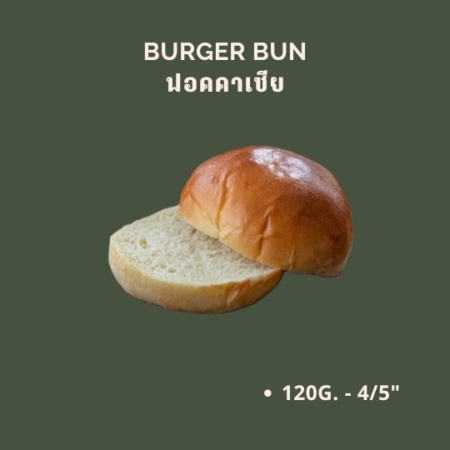 Выберите параметры Этот товар имеет несколько вариаций. Опции можно выбрать на странице товара.
Булочка для бургера
Диапазон цен: ฿750.00 – ฿1,250.00 + vat -
 Выберите параметры Этот товар имеет несколько вариаций. Опции можно выбрать на странице товара.
Чёрная булочка для бургера
Диапазон цен: ฿900.00 – ฿1,500.00 + vat -
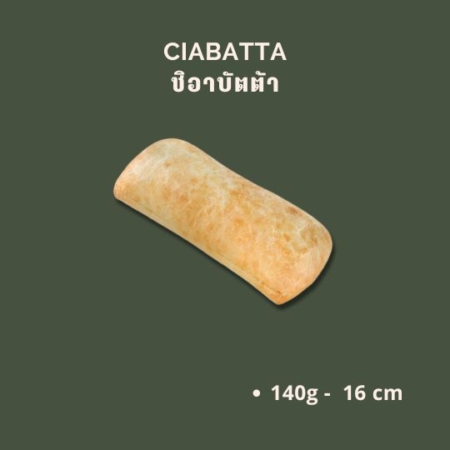 Выберите параметры Этот товар имеет несколько вариаций. Опции можно выбрать на странице товара.
Чабатта
Диапазон цен: ฿500.00 – ฿1,250.00 + vat -
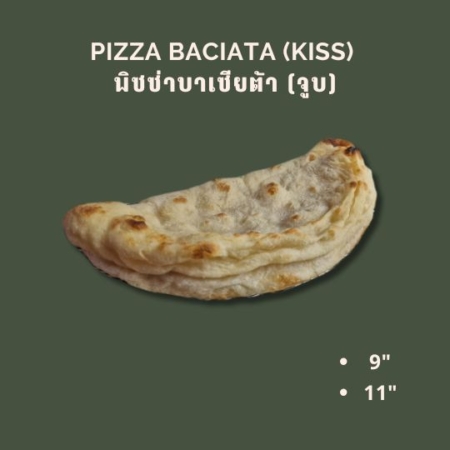 Выберите параметры Этот товар имеет несколько вариаций. Опции можно выбрать на странице товара.
Пицца Бачата
Диапазон цен: ฿1,000.00 – ฿3,000.00 + vat -
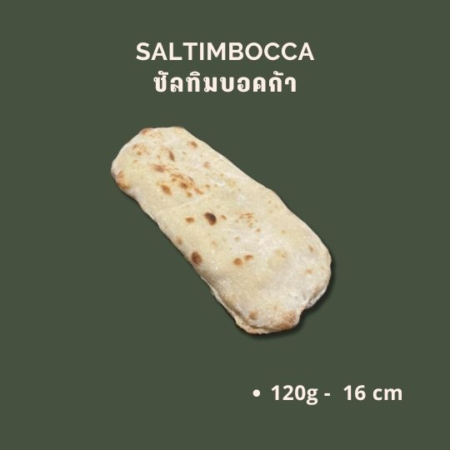 Выберите параметры Этот товар имеет несколько вариаций. Опции можно выбрать на странице товара.
Сальтимбокка
Диапазон цен: ฿500.00 – ฿1,250.00 + vat -
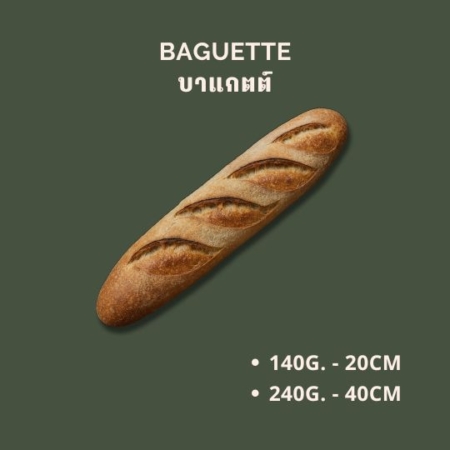 Выберите параметры Этот товар имеет несколько вариаций. Опции можно выбрать на странице товара.
Багет
Диапазон цен: ฿700.00 – ฿2,400.00 + vat -
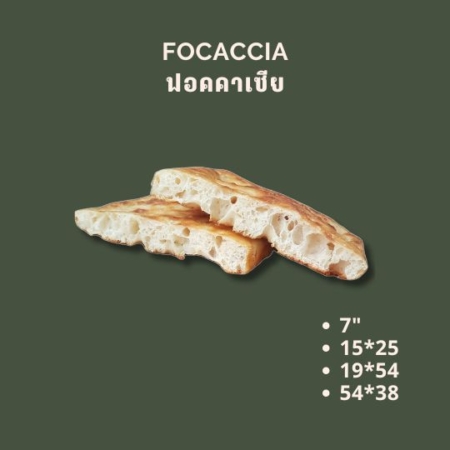 Выберите параметры Этот товар имеет несколько вариаций. Опции можно выбрать на странице товара.
Фокачча
Диапазон цен: ฿1,600.00 – ฿5,600.00 + vat -
 Выберите параметры Этот товар имеет несколько вариаций. Опции можно выбрать на странице товара.
Шоколадная основа для пиццы
Диапазон цен: ฿1,500.00 – ฿7,500.00 + vat


FIND OUT -TEST BOXES