Gas vs Wood-Fired Pizza Oven: Which One Actually Works in Thailand
The romantic answer is wood. The practical answer, in this country, is usually gas — and the reasons have less to do with pizza than with humidity, neighbours and who is going to tend the fire on a Tuesday.
Here is the comparison without the marketing.
Temperature: a tie, and this surprises people
Both reach the 450–500°C that Neapolitan pizza requires. Wood-fired ovens can go higher — a well-run one sits at 480–500°C on the floor with a dome much hotter — but you do not need higher. Above 500°C you are burning the rim before the base is done.
A modern gas oven reaches the same working temperature and, crucially, holds it without attention. A wood oven’s temperature is a curve: it climbs, peaks, and falls, and someone has to keep feeding it. Between the fifth and the twentieth pizza that difference becomes very real.
On peak heat they are equal. On holding it, gas wins.
There is a second, quieter difference. In a wood oven the pizza sits near the fire and has to be turned constantly with a peel — that is why a pizzaiolo stands there with one in his hand all evening. An oven with a rotating stone does the same job with a knob you turn from outside, door closed. Same even bake, none of the technique.
Flavour: wood wins, by less than you would think
There is a smoke note from wood. It is real, and on a Margherita with few ingredients you can taste it.
But most of what people call “wood-fired flavour” is actually the char — the leopard spotting and the caramelisation from very high heat and a hot stone. That comes from temperature, not from smoke, and gas produces it identically. Blind tastings tend to be much closer than either camp expects.
So wood takes this one — narrowly, and only if everything else is done right.
Time to first pizza
Wood: 45 to 90 minutes. Build the fire, bring the dome up, let the floor saturate with heat, rake the coals aside.
Gas: minutes, plus the time the stone needs to saturate. You turn a knob.
If you are a restaurant, that is the difference between “we serve pizza when we planned to” and “we serve pizza if someone lit the oven in time”. If you are at home, it is the difference between deciding to make pizza and actually making it.
Gas, decisively.
Humidity, neighbours and the rainy season
Humidity. Wood must be dry — under 20% moisture. In this climate that means covered, ventilated, off-the-ground storage, and it still fights you in the rainy season. Damp wood means smoke, low heat and a frustrating evening.
Smoke and neighbours. A wood oven produces visible smoke. On a condo terrace, a shophouse balcony or a rooftop bar in the middle of Bangkok, that is often the end of the conversation — before you even get to fire regulations and insurance.
Space and weight. A serious wood oven is a masonry structure or a heavy prefabricated dome. It does not move. A gas oven of the kind we sell weighs 19 kg and folds onto four legs: terrace today, event on Saturday, storeroom on Monday.
Someone’s time. A wood oven needs a person. That person costs more per month than the gas will ever cost.
Here gas wins, and it is not close.
Running cost
Gas is predictable: a bottle, a known burn rate, no waste when you are not cooking. Wood is cheaper per kilo but you buy it in quantity, store it, lose some to damp, and burn a good part of it just getting up to temperature — including on the nights when only four people order pizza.
Gas for low and irregular volume. Wood can win only at high, steady volume.
Does it have a door?
Most portable pizza ovens are open-mouthed. There is no door — the front is simply an opening. It looks good and it makes loading easy, but at 500°C that opening is a permanent hole in the oven, and heat pours out of it continuously by radiation and convection.
The burner has to make up for every bit of that heat. It never stops compensating. And every time you slide a cold pizza in, the temperature dips further and takes longer to climb back, because the oven is fighting the room at the same time.
A front door changes the arithmetic:
- the burner works to hold the temperature instead of replacing what escapes
- the stone recovers faster between pizzas, so the fifth pizza bakes like the first
- outdoors, wind stops mattering — an open mouth on a breezy terrace is a chimney
- less gas burnt for the same number of pizzas
Over an evening that is a real difference on the bottle, and over a season it is a line on your costs. It is also why an oven with a door holds a steadier 500°C than a bigger open one: keeping heat in is cheaper than making it twice.
So when is wood actually right?
It genuinely is, in three cases:
- The oven is part of the show. An open kitchen, a restaurant whose identity is the flame. Customers pay for that, and they should.
- High steady volume with dedicated staff, where the fire never goes out during service and someone owns it.
- A house in the countryside with space, dry storage and no neighbour close enough to mind.
Outside those three, gas gives you the same pizza with a fraction of the friction.
What we chose, and why
We supply pizza bases, not theatre. When we looked for an oven to recommend alongside them, the requirement was simple: reach 500°C, hold it, and work anywhere in Thailand without a permit, a woodpile or a dedicated employee.
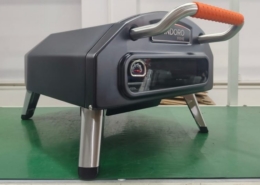
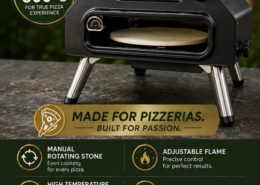
That is our Gas Pizza Oven: 500°C, a 14-inch rotating stone, a front door, automatic ignition, thermometer, 19 kg. It is not the most romantic object in the world. It is the one that gets used on a Wednesday.
At 14,800 ฿ it also costs well below what an oven of this class usually does — and unlike most of them it has a door and a stone that turns. We would rather put the money into the two things that change how the pizza comes out, and how much gas it burns, than into a wider opening.
Pair it with a Tindoro base — fermented and par-baked for exactly this heat — and ninety seconds later the difference between gas and wood is somewhere between small and imaginary.
What goes into the oven is the other half of the result. The Napoli base for the classic round pizza, the Roman base for thin and crisp by the slice, Pinsa Romana when you want something on the menu nobody else has, Pala Romana for sharing boards — all naturally fermented and par-baked for exactly this heat.
The Roman Style Trial Box is 500 ฿ and the Combo Trial Box 550 ฿, if you would rather taste before you decide.
- Display 46 Products per page
-
 Select options This product has multiple variants. The options may be chosen on the product page
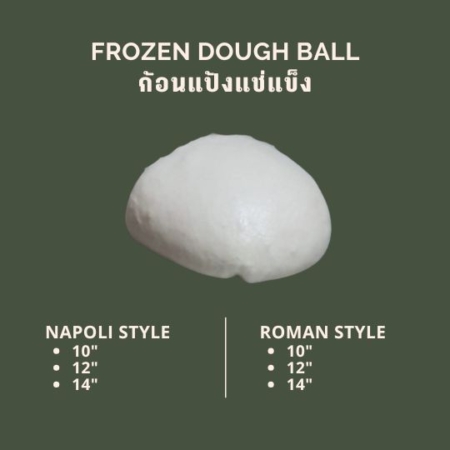
DOUGH BALLS
Price range: ฿580.00 through ฿8,250.00 + vat -
 Select options This product has multiple variants. The options may be chosen on the product page
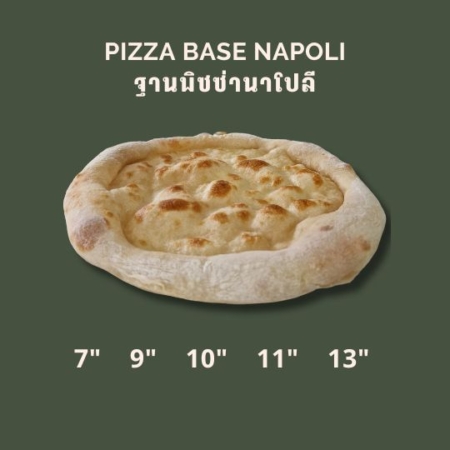
Pizza Base Napoli
Price range: ฿800.00 through ฿4,000.00 + vat -
 Select options This product has multiple variants. The options may be chosen on the product page
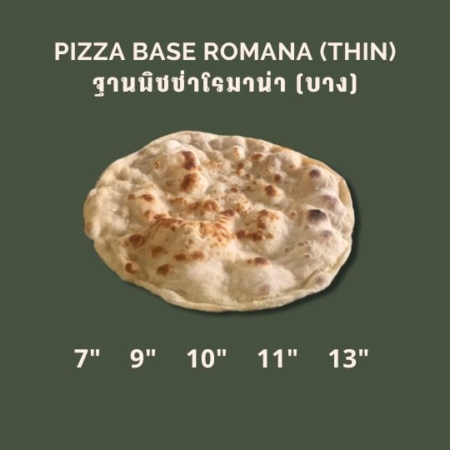
Pizza base Romana
Price range: ฿700.00 through ฿3,500.00 + vat -
 Select options This product has multiple variants. The options may be chosen on the product page
Pinsa Romana
Price range: ฿1,200.00 through ฿3,500.00 + vat -
 Select options This product has multiple variants. The options may be chosen on the product page
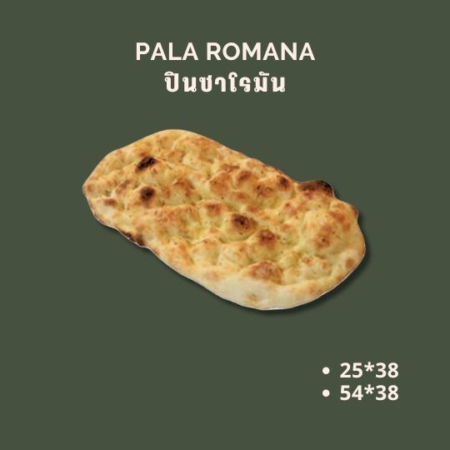
Pala Romana
฿2,500.00 + vat -
 Select options This product has multiple variants. The options may be chosen on the product page
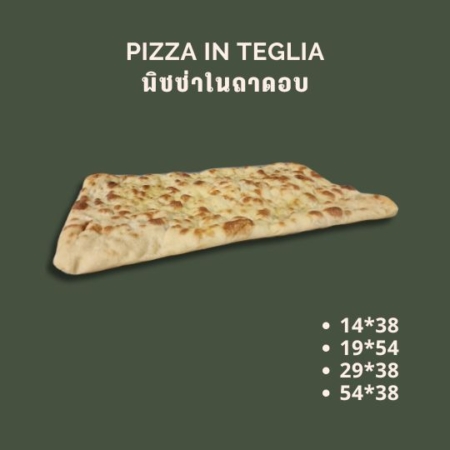
Pizza in Teglia
Price range: ฿1,500.00 through ฿3,900.00 + vat -
 Select options This product has multiple variants. The options may be chosen on the product page
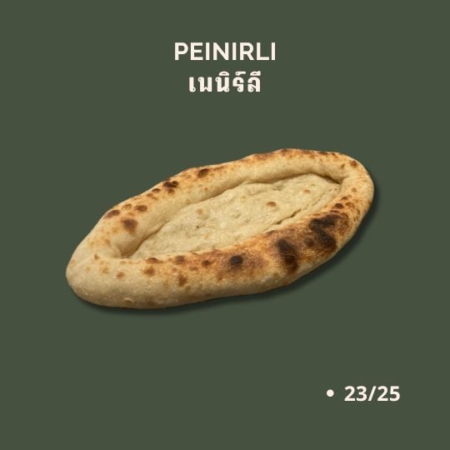
Peinirli
Price range: ฿1,000.00 through ฿2,500.00 + vat -
 Select options This product has multiple variants. The options may be chosen on the product page
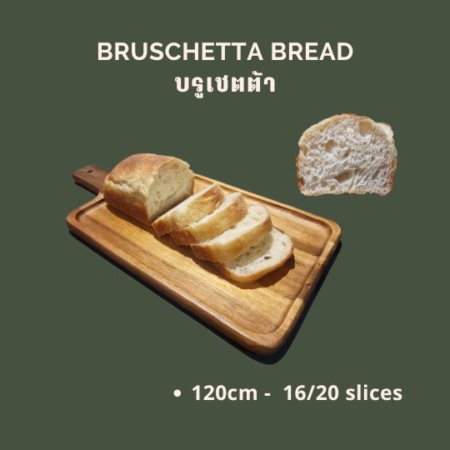
Bruschetta
Price range: ฿1,725.00 through ฿3,335.00 + vat -
 Select options This product has multiple variants. The options may be chosen on the product page
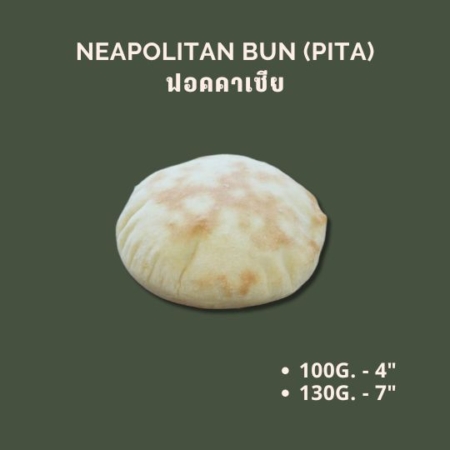
Neapolitan Bun
Price range: ฿600.00 through ฿1,250.00 + vat -
 Select options This product has multiple variants. The options may be chosen on the product page
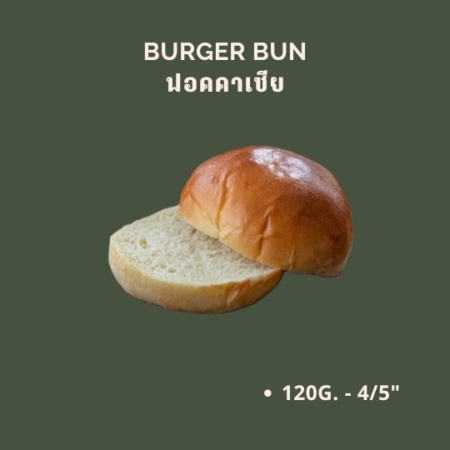
Burger Bun
Price range: ฿750.00 through ฿1,250.00 + vat -
 Select options This product has multiple variants. The options may be chosen on the product page
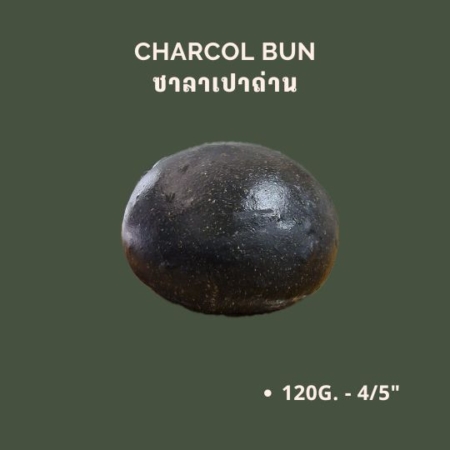
Black Burger Bun
Price range: ฿900.00 through ฿1,500.00 + vat -
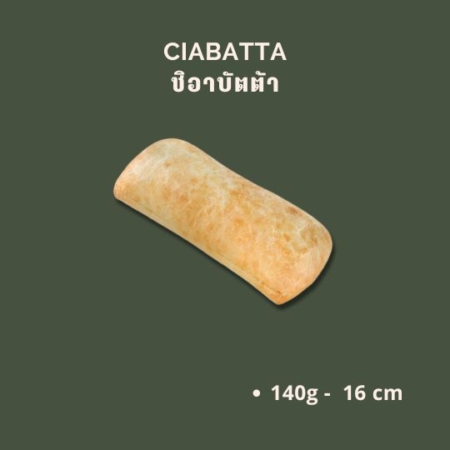 Select options This product has multiple variants. The options may be chosen on the product page
Ciabatta
Price range: ฿500.00 through ฿1,250.00 + vat -
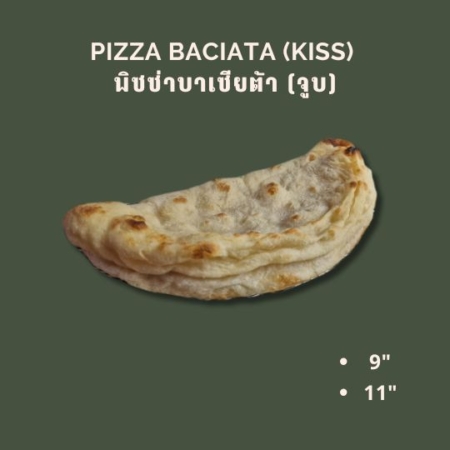 Select options This product has multiple variants. The options may be chosen on the product page
Pizza Baciata
Price range: ฿1,000.00 through ฿3,000.00 + vat -
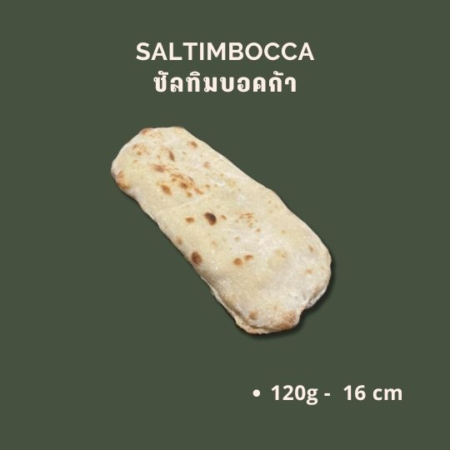 Select options This product has multiple variants. The options may be chosen on the product page
Saltimbocca
Price range: ฿500.00 through ฿1,250.00 + vat -
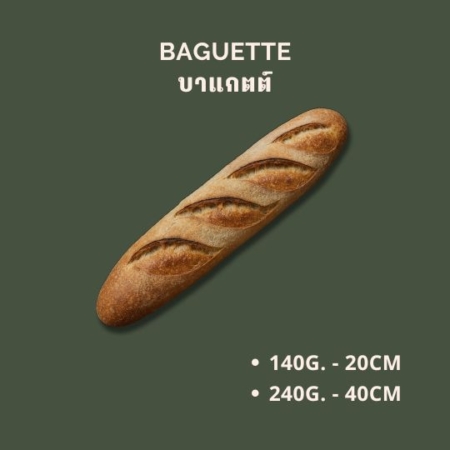 Select options This product has multiple variants. The options may be chosen on the product page
Baguette
Price range: ฿700.00 through ฿2,400.00 + vat -
 Select options This product has multiple variants. The options may be chosen on the product page
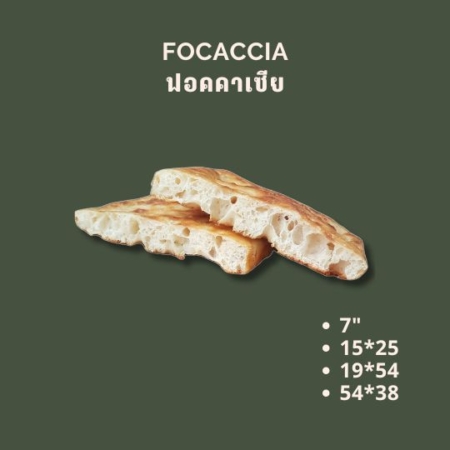
Focaccia
Price range: ฿1,600.00 through ฿5,600.00 + vat -
 Select options This product has multiple variants. The options may be chosen on the product page
Pizza Base Chocolate
Price range: ฿1,500.00 through ฿7,500.00 + vat


FIND OUT -TEST BOXES